


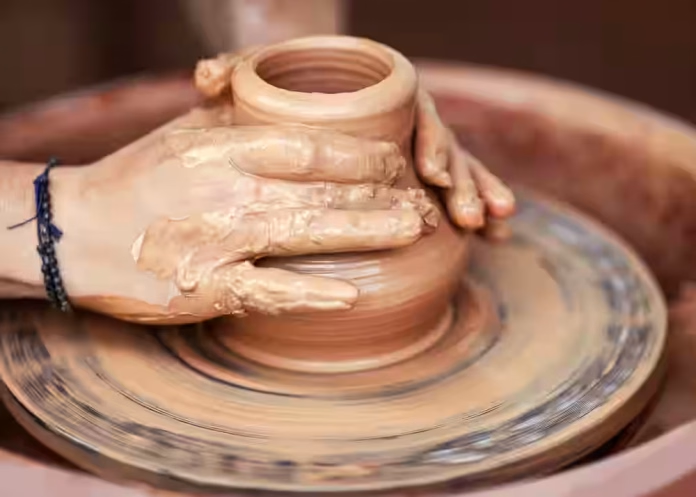
Traditional pottery in Baradwari Kumhar Para and Sonari Kumhar Para faces a severe economic crisis. Families are now watching younger generations leave the ancestral craft for private-sector jobs.
Production costs have jumped tenfold over the past decade. Potters struggle continuously with rising clay prices, acute soil shortages, unpredictable weather, severe handling breakage, and aggressive customer bargaining.
Seasonal demand centered around Diwali leaves a very narrow sales window. Rain frequently ruins raw clay items, forcing artisans to absorb heavy material losses without steady year-round income.
Fourth-generation potters report working grueling hours past 10 p.m. without earning adequate returns. Consequently, younger family members actively seek stable corporate and insurance jobs over physical labor.
Local artisans also face steep competition from imported Chinese lights, modern decorative items, and outside clay goods. These mass-produced alternatives severely undercut traditional hand-crafted earthen diya sales.
Physical infrastructure remains inadequate for these local artisans. Potters continue shaping and drying clay under temporary shelters, exposing fragile products to extreme weather hazards and high breakage rates.
The city lacks formal credit programs, organized marketplaces, and protected storage. Without direct public intervention, Jamshedpur risks losing a vital, centuries-old cultural tradition and urban livelihood system.
🌐 Stay Connected with The Avenue Mail
Get the latest news and breaking updates delivered instantly to your feed.
🟢Join our WhatsApp Group: Click here to join
📢 The Avenue Mail: Your trusted source for real-time news.
